


Imagine opening an app and instead of a boring flat button, you see a 3D interactive icon that reacts as you tilt your phone. Or shopping online, where you can rotate a product in real time, almost like you are holding it in your hand.
This is no longer science fiction. 3D and immersive interfaces are reshaping how we experience digital products. But are they truly the future of digital design, or just a passing trend? Let’s explore.
1. Why 3D & Immersive Interfaces Are Trending
Flat design ruled the previous decade due to its ease of use and speed. But today’s users expect engagement, realism, and interactivity.
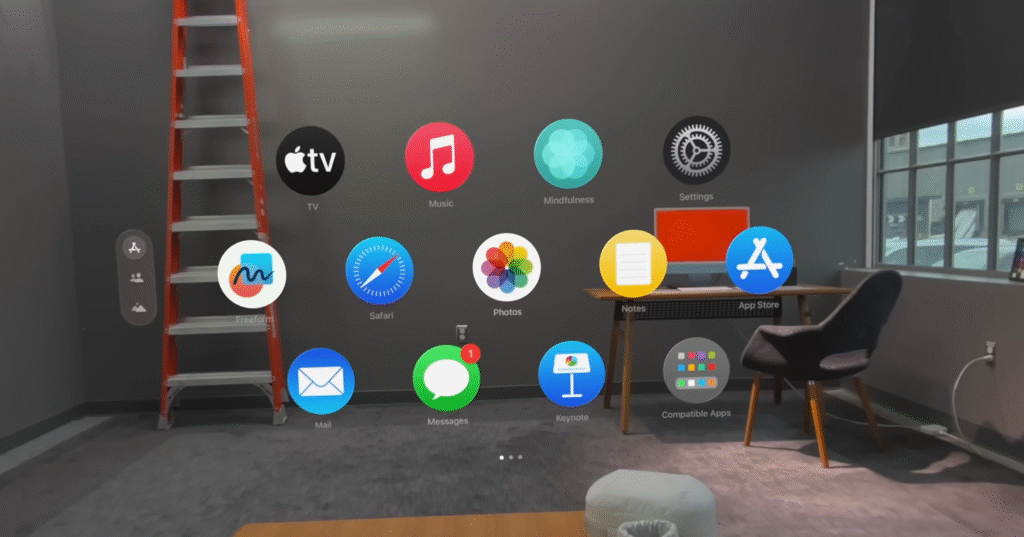
- AR & VR adoption (Apple Vision Pro, Meta Quest) is driving 3D-driven experiences.
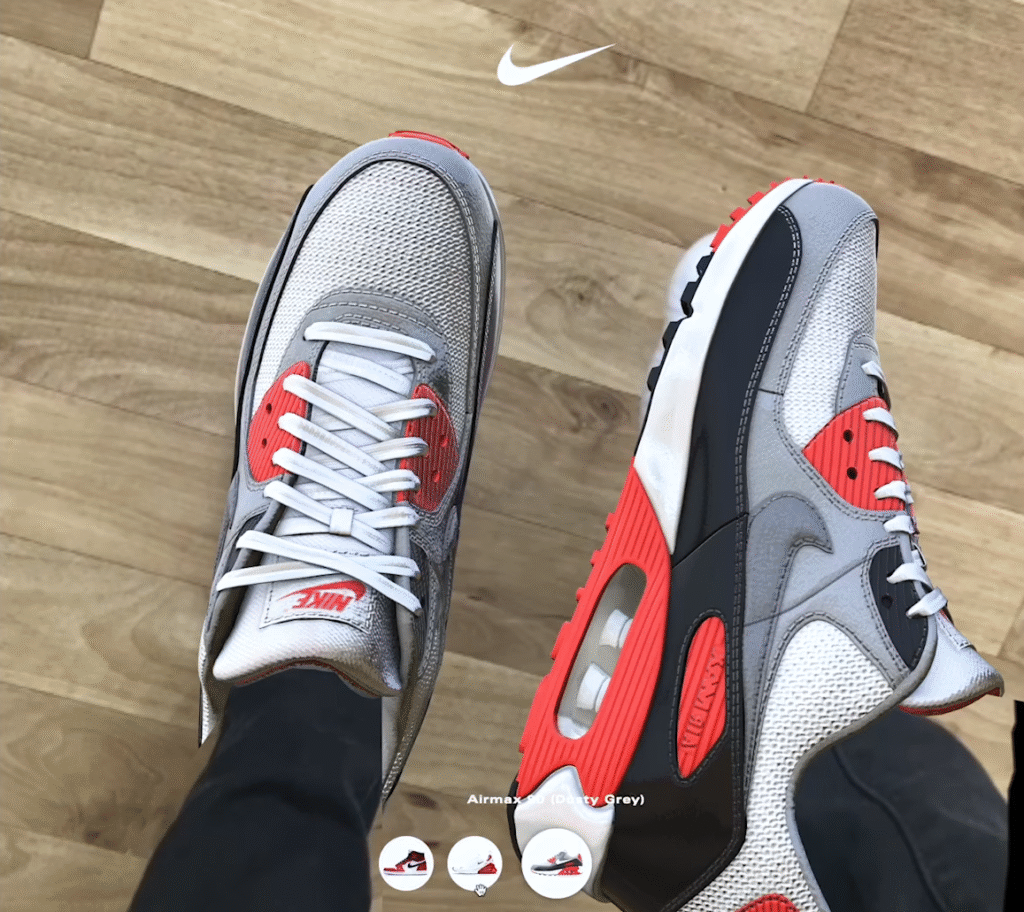
- E-commerce platforms are adding 3D product previews (IKEA, Nike, Amazon).
- Mobile hardware (faster GPUs, better processors) is now supported without delay.
Takeaway: 3D isn’t just “cool.” It generates useful value, enabling people to better understand products, find their way around, and connect deeply.
2. Benefits of 3D & Immersive Design
Here’s why brands and designers are embracing it:
- Improved Storytelling – 3D design makes stories come alive. Picture a travel site where destinations appear as interactive maps.
- Improved Decision-Making – Users are able to zoom in and spin products prior to buying.
- Emotional Engagement – Immersive design increases time spent on apps and websites.
- Competitive Advantage– While most brands stick to flat designs, 3D helps stand out.
Case Example: Nike’s app allows customers to see sneakers in AR prior to purchase, lowering return rates.
3. Challenges & Limitations
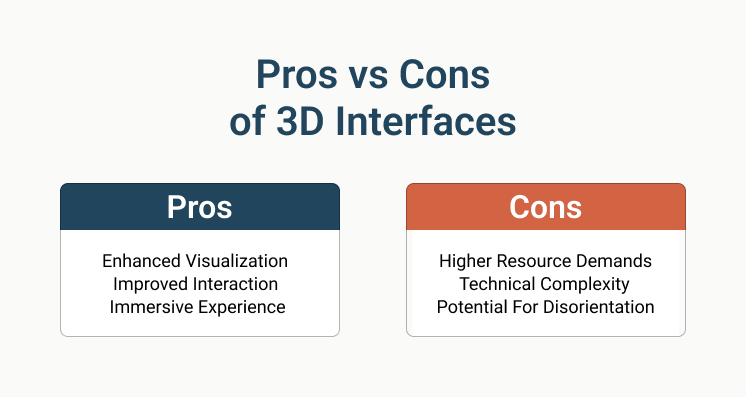
Of course, immersive design isn’t perfect. Some hurdles include:
- Performance Issues: 3D assets can slow down apps if not optimized.
- Accessibility Concerns: Complex visuals may overwhelm some users.
- Development Costs: Designing high-quality 3D assets requires time and budget.
- Learning Curve: Both users and designers will take time to get used to it.
Takeaway: 3D should enhance usability, not replace it. It must be used thoughtfully, not everywhere.
4. Where 3D & Immersive Design Works Best
Not every product needs 3D. Here’s where it shines:
- E-commerce – 360° product previews (fashion, furniture, electronics).
- Education – Interactive learning modules (e.g., anatomy, architecture).
- Entertainment – Gaming and immersive storytelling apps.
- Real Estate – Virtual property tours.
- Healthcare – Medical visualizations for patients and doctors.
Actionable Tip: Start small. Add micro-immersive elements like animated 3D icons, interactive onboarding, or AR filters, before going full VR.
5. The Future of 3D & Immersive Interfaces
So, is it the future? The answer: Yes, but with balance.
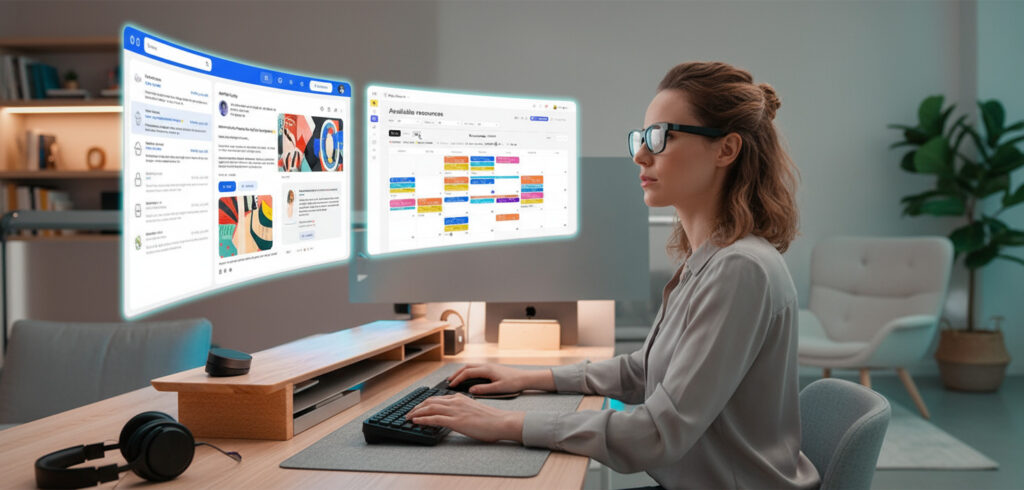
- In 2025 and beyond, immersive design will merge with AI personalization. Imagine AI tailoring a 3D workspace based on your habits.
- Sustainability in design will push lightweight 3D assets to reduce carbon footprint (faster sites = less energy).
- Accessibility-first immersive design will emerge, ensuring inclusivity.
Bottom Line: 3D & immersive interfaces are not replacing flat design completely, they’re adding depth and interaction where it truly matters.
Conclusion
3D & immersive interfaces are moving from trend to tool. When used strategically, they can create meaningful experiences that delight users, solve problems, and set brands apart.
For businesses, the key is not jumping blindly into 3D, but understanding where it adds real value. As technology evolves, immersive design will likely become a core part of digital strategy, but balance, performance, and accessibility will define who does it best.


